
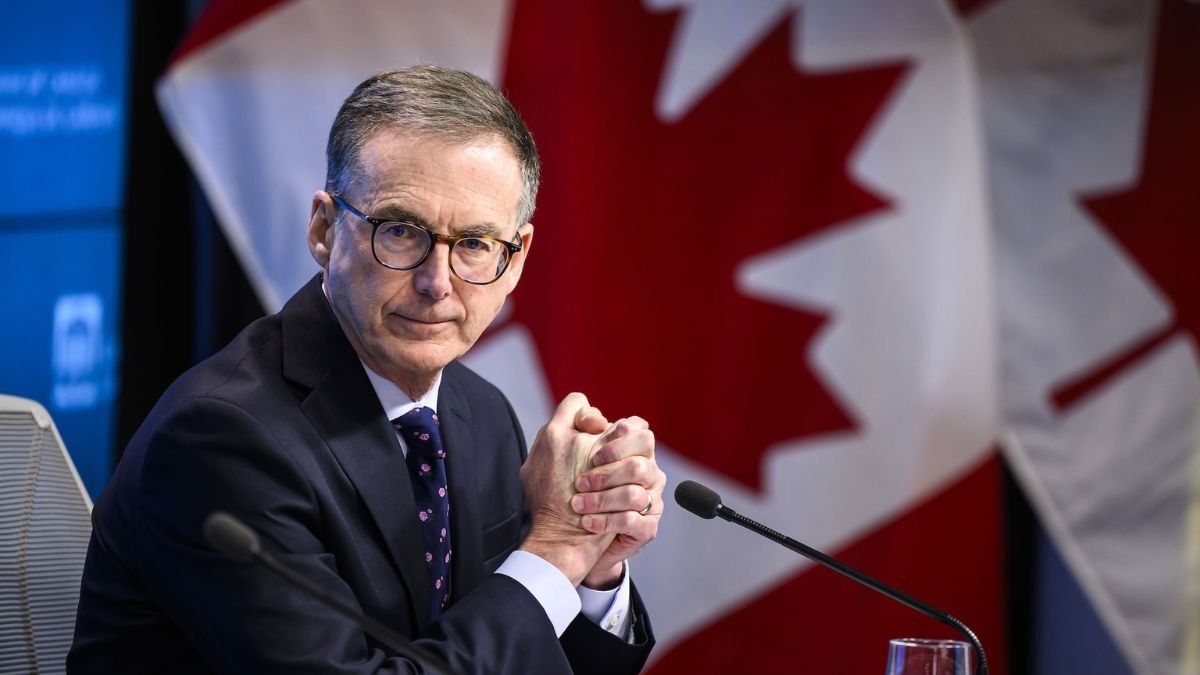
Financial markets have significantly revised their outlook for interest rates in Canada, now anticipating tighter monetary policy in 2026.
Traders are assigning more than a 20% probability of a rate increase as early as next month—up sharply from just 4% previously. By the end of the year, markets are pricing in a total increase of around 75 basis points in the benchmark policy rate.

Earlier projections had suggested only a single 25 basis point hike in December. However, this sentiment has shifted dramatically, with expectations moving away from potential mid-year rate cuts toward a more aggressive tightening path.
Impact of Global Conflict on Energy Prices
The change in outlook is largely driven by escalating geopolitical tensions, particularly the ongoing conflict involving Iran. Since late February, the situation has disrupted global energy markets, including the closure of the Strait of Hormuz—a critical route for nearly 20% of the world’s oil supply.
As a result, oil and liquefied natural gas prices have surged. These increases have raised concerns about supply shortages and broader inflationary pressures. Additionally, rising fertilizer costs could further impact global food prices, intensifying economic risks.
Central Bank’s Current Position

The Bank of Canada has maintained its policy rate at 2.25% since October. Governor Tiff Macklem has indicated that the central bank is closely monitoring the economic effects of elevated energy prices. While there is no immediate urgency to act, he emphasized that persistent inflation driven by energy costs would not be tolerated.
This cautious stance suggests that policymakers are weighing the balance between controlling inflation and supporting economic growth.
Economic Risks and Expert Opinions
Economists remain divided on the appropriate course of action. Some warn that raising interest rates during a period of economic fragility could place additional strain on businesses and households. They argue that maintaining current rates throughout 2026 may be a safer approach, especially if growth continues to weaken.
Conclusion
Market expectations for Canadian interest rates have shifted rapidly due to global geopolitical instability and rising energy costs. While the Bank of Canada is proceeding cautiously, the possibility of multiple rate hikes in 2026 is now firmly on the table. The central challenge will be managing inflation without triggering further economic slowdown.
