
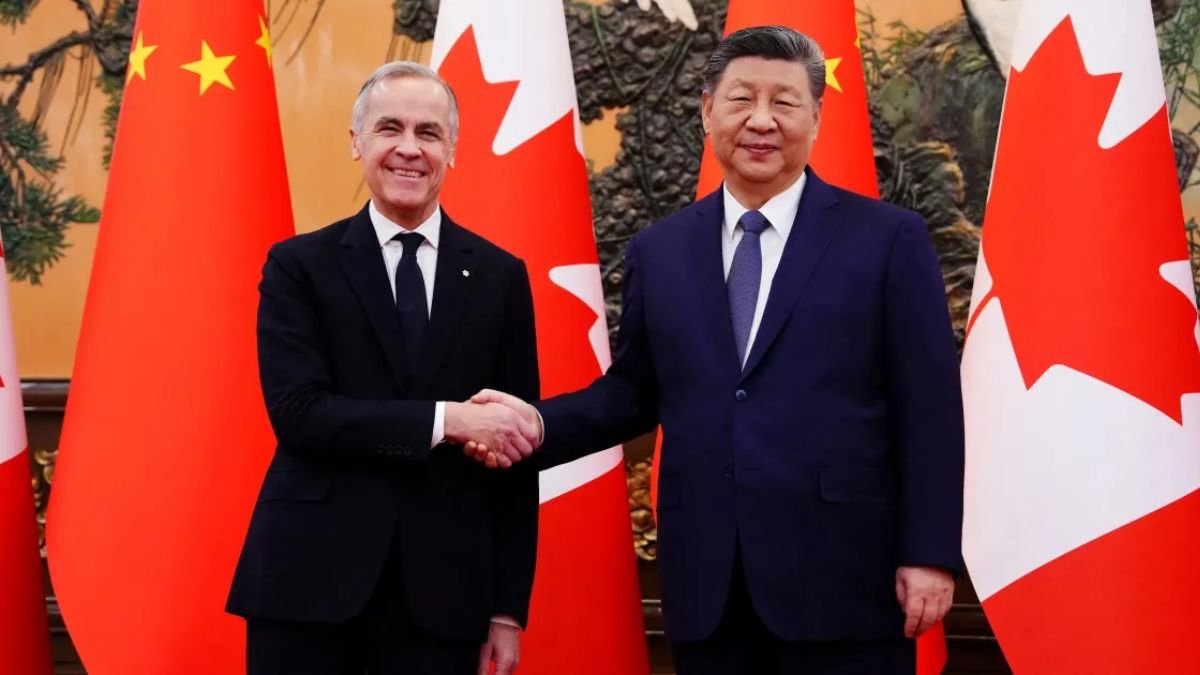
Canada’s Finance Minister, François-Philippe Champagne, held discussions with Chinese Vice Premier He Lifeng in Beijing, focusing on strengthening supply chain integrity and expanding bilateral trade cooperation. The meeting comes at a time when both nations are navigating increasing trade tensions with the United States.
During the talks, both sides emphasized the importance of maintaining reliable and transparent supply chains, as well as ensuring that trade aligns with international standards.
Expanding Economic Cooperation

The discussions also covered key sectors such as financial services, energy, and agriculture. Champagne highlighted Canada’s position as a dependable energy supplier, particularly in the context of global geopolitical tensions affecting oil and gas markets.
China remains Canada’s second-largest trading partner, with bilateral trade valued at approximately C$120 billion. Canada is aiming to significantly expand exports to China, with a target of increasing trade by 50% by 2030.
Both countries agreed to continue high-level economic and financial dialogue later this year, signaling a commitment to deepening economic ties.
Trade Challenges with the United States

The meeting takes place against a backdrop of strained trade relations with the United States. Since early 2025, tariffs imposed by Donald Trump’s administration have affected both Canada and China, creating additional pressure on their economies.
In March, the U.S. Trade Representative launched new investigations into alleged unfair trade practices involving multiple countries, including Canada and China. These developments have further complicated global trade dynamics.
Addressing Trade Barriers and Market Access
One of the key issues raised during the meeting was the presence of trade barriers. Although China has lifted some tariffs on Canadian agricultural products following earlier diplomatic engagement, a 25% duty on Canadian pork remains in place.

Champagne emphasized the need to eliminate such trade irritants to ensure smoother economic relations. He expressed optimism that the discussions had laid the groundwork for progress on these issues.
Strategic Trade Diversification
Canada has been actively working to diversify its trade partnerships, reducing reliance on the United States. Earlier in the year, Mark Carney met with Chinese President Xi Jinping to strengthen bilateral relations and explore new economic opportunities.
While the automotive sector was not part of the recent discussions, Champagne noted that companies like Stellantis must adhere to their commitments regarding investments and employment in Canada.
Looking Ahead: Opportunities and Risks
The evolving global trade landscape presents both opportunities and challenges for Canada. Strengthening ties with China could open new markets for Canadian goods, particularly in agriculture and energy.
However, geopolitical tensions and ongoing trade disputes continue to pose risks. The success of Canada’s trade strategy will depend on its ability to balance relationships with major global partners while maintaining economic stability.
Conclusion
Canada’s recent discussions with China highlight a strategic effort to strengthen trade relations and ensure supply chain resilience amid global uncertainty.
As both countries navigate tensions with the United States, expanding bilateral cooperation offers new economic opportunities. However, addressing existing trade barriers and maintaining stable international partnerships will be critical for long-term success.
